 +918369112120

History of Shirdi Temple: A Complete Guide for Devotees
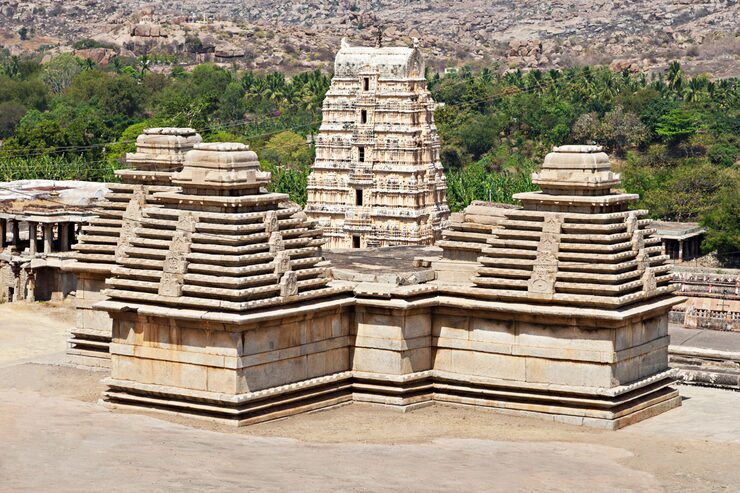
The Shirdi Sai Baba Temple, located in Maharashtra, is one of the most visited spiritual destinations in India. Every year, millions of devotees flock to Shirdi to seek blessings from Sai Baba, a revered saint known for his teachings of love, peace, and equality. The temple’s history is deeply rooted in Sai Baba’s life and the timeless message he spread during his years in Shirdi. Understanding the history of Shirdi Temple helps devotees connect more deeply with this sacred place.
This informative guide covers how the Shirdi Temple was built, its historical timeline, major events, and why it remains one of India’s most powerful spiritual centres.
Who Was Sai Baba of Shirdi?
Sai Baba arrived in Shirdi around the mid-1800s. His origins are unknown, adding an aura of mystery around him. He lived a simple life, preaching values such as:
- Faith (Shraddha)
- Patience (Saburi)
- Service to humanity
- Harmony between Hindu and Muslim communities
Sai Baba’s universal teachings attracted people from all religions and walks of life. His followers witnessed several miracles, further strengthening their devotion.
Early History: When Sai Baba Arrived in Shirdi
Sai Baba first visited Shirdi as a young boy but stayed permanently around 1858. He made the Dilapidated Mosque (later known as Dwarkamai) his home. This humble space became the centre of his spiritual activities and interactions with devotees.
Shirdi was a small, remote village at that time, but Sai Baba’s growing spiritual influence soon placed it on the map as a sacred place of worship.
How the Shirdi Temple Was Built
After Sai Baba attained Mahasamadhi in 1918, his devoted followers wanted to preserve his legacy in the form of a temple. The temple was originally a Wada (large house) built by a wealthy devotee, Shreemant Gopalrao Booty, a businessman from Nagpur. During Sai Baba’s lifetime, Gopalrao planned to build a shrine dedicated to Lord Krishna.
However, Sai Baba hinted that the Wada would become his own Samadhi Mandir.
After Baba’s Mahasamadhi, his mortal remains were placed in the central hall of the Wada, marking the beginning of the Shirdi Sai Baba Samadhi Temple.
Major Historical Milestones of Shirdi Temple
1. Construction of the Samadhi Mandir
Completed in 1922, managed initially by appointed trustees, the Samadhi Mandir became the central place of worship for devotees.
2. Establishment of the Shri Sai Baba Sansthan
The official management body, the Shri Sai Baba Sansthan Trust, was formed to develop and maintain the temple premises.
3. Development Over the Years
During the 20th century, the temple complex expanded significantly with:
- Dwarkamai restoration
- Gurusthan development
- Prasadalaya (mass dining)
- Pilgrims’ accommodation facilities
- Museum displaying Sai Baba’s belongings
4. Modern Expansion
Today, Shirdi Temple is equipped with advanced crowd-management systems, digital queues, online darshan booking, and modern amenities, making it one of the most well-organized pilgrimage sites in India.
Architecture of Shirdi Temple
The Samadhi Mandir is built using white marble, giving it a peaceful and divine appearance. Key architectural features include:
- A life-size marble statue of Sai Baba
- Ornate silver railings
- Intricate carvings and beautiful floral decorations
- Golden dome atop the main temple
- Spacious prayer halls
The atmosphere inside the temple radiates serenity, making it a powerful place for meditation and prayer.
Important Places Connected to the History of Shirdi
- Samadhi Mandir
Final resting place of Sai Baba; the heart of Shirdi Temple.
- Dwarkamai
The mosque where Baba lived, healed the sick, and met his devotees. It houses his sacred ‘dhuni’ (holy fire).
- Gurusthan
The sacred neem tree where Sai Baba was first seen meditating.
- Chavadi
Where Baba used to sleep every alternate night.
- Lendi Baug
A garden developed by Sai Baba, where he spent time in deep contemplation.
Why the History of Shirdi Temple Still Matters Today
The temple stands as a symbol of:
- Equality among religions
- Faith and patience
- Service to humanity
- Compassion for all living beings
The temple’s history continues to inspire millions and preserves Sai Baba’s message for future generations.
Final Thoughts
The History of Shirdi Temple is a journey of devotion, miracles, compassion, and spiritual transformation. From Sai Baba’s humble days in Shirdi to the creation of a grand spiritual centre, the temple’s story reflects the deep faith that devotees hold in Baba. Whether you are a first-time visitor or a regular devotee, understanding its history makes your visit even more meaningful.